
Young, Bold, and Under-Supported: Why Youth Climate Movements in the Global South Deserve More Than Just Applause
From the rising seas of the Pacific Islands to the scorched farmlands of the Sahel, young people in the Global South occupy the front line of the climate crisis — and they are not standing still. Across Africa, Asia, and Latin America, youth-led climate movements are mobilizing in important and often underreported ways: planting trees, cleaning up coastlines, lobbying for policy change, and demanding climate justice from powerful decision-makers. But even as these young activists are doing their part, the world is failing to do its part.
Liberia: A Case Study of Youth Resilience
In Liberia, one of the most climate-vulnerable nations in West Africa, the signs of climate disruption are already visible. Rising sea levels threaten coastal cities like Monrovia, swallowing homes in communities such as West Point. Erratic rainfall patterns are undermining agriculture, which is the backbone of rural livelihoods. Saltwater intrusion along riverine areas is reducing crop yields, while floods regularly damage infrastructure and displace families.
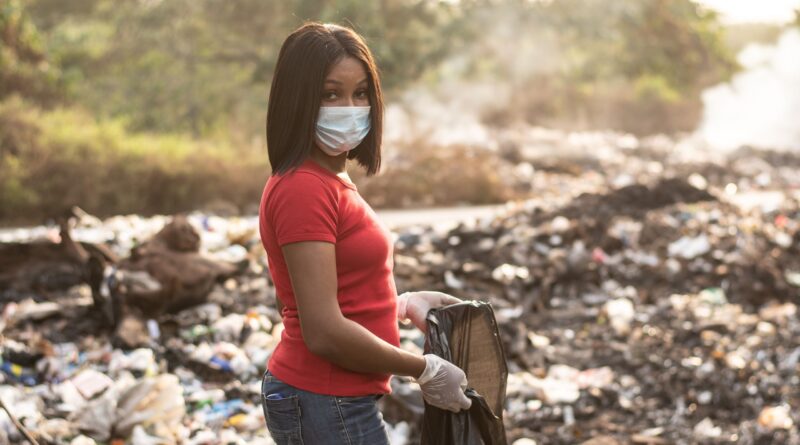
Amid these mounting challenges, young Liberians have refused to remain idle. On the streets of Paynesville and Monrovia, youth organizations have taken the lead in monthly community clean-up campaigns. These are more than just beautification efforts. They unclog drainage systems, reduce breeding grounds for mosquitoes, and restore community pride. During one clean-up drive, I met a teenage volunteer, hands dirty from lifting sacks of plastic waste out of a blocked canal. With determination in her voice, she said: “We know government alone can’t fix this. If we don’t clean our community, we are the ones who will get sick.” That kind of self-mobilized leadership, sustained without external support, is climate action at its purest form.
Yet, these clean-ups operate on shoestring budgets. Tools are borrowed, gloves are shared, and refreshments are minimal. What’s working well is the dedication and solidarity of the youth; what could be better is direct funding and logistical support to scale these initiatives.
Climate Education and Awareness
In rural counties, such as Bong and Grand Bassa, young leaders are advancing climate education through innovative means. Eco-clubs in schools have become platforms where students debate climate policies, stage dramas on environmental protection, and even plant community gardens. At one school, children proudly showed me cassava and vegetables they were cultivating. They explained how mulching conserves soil moisture — a simple but powerful adaptation strategy in a warming climate.
The strength of these programs lies in their creativity and relevance to local life. However, they often lack teaching materials, training opportunities, and funding for expansion. With small grants and mentorship, such eco-education initiatives could inspire thousands more young Liberians to become climate champions.
Policy Influence and National Achievements
Liberian youth are not just acting locally; they are shaping national policy. Recently, youth advocates played a key role in ensuring that freshwater ecosystem protection was included in Liberia’s updated Nationally Determined Contribution (NDC 3.0) as well as the adaptation of the Universal Youth Clause in the updated NDC. These were landmark achievements, symbolizing how persistent advocacy by young voices can influence national climate priorities.
But victories on paper must be followed by implementation. Without adequate financing and technical support, commitments risk remaining aspirational. Young people who fought for these policy inclusions now face the harder task of pushing for accountability and ensuring that the promises materialize into tangible change.
Grassroots Innovation: Turning Waste into Opportunity
Beyond policy and awareness, young innovators are pioneering practical climate solutions. In Grand Cape Mount County, a group of young people has been experimenting with turning agricultural waste into briquettes, offering cleaner alternatives to charcoal. These innovations not only address deforestation but also provide affordable energy options for households.
Such grassroots projects are brimming with potential but remain underdeveloped due to a lack of incubation hubs, mentorship, and financial support. What’s working well is the ingenuity and problem-solving mindset of the youth; what could be better is creating enabling environments where such ideas can be nurtured and scaled.
Shared Struggles Across the Global South
Liberia’s story is echoed across the Global South. In Bangladesh, young women conduct adaptation workshops in flood-prone villages. In Brazil, Indigenous youth risk their lives defending forests. In coastal Nigeria, eco-mapping projects led by youth are helping communities adapt to erosion. In Fiji, young marine biologists restore coral reefs. These are not symbolic actions. They are born of lived experience, rooted in cultural knowledge, and driven by urgency.
Unlike their peers in the Global North, youth in the Global South face formidable barriers: lack of climate finance, limited internet access, restrictive visa regimes, and tokenistic participation in international summits. Yet, despite these systemic obstacles, they continue to innovate, organize, and deliver transformative solutions.
What Must Change
For too long, global support for youth climate action has been limited to social media reposts and token invitations to panels. What is needed is genuine investment and structural inclusion. This means:
– Funding that is direct and accessible to grassroots youth organizations.
– Permanent seats and decision-making power for youth in climate negotiations.
– Leadership development programs in policy, advocacy, and environmental science.
– Fair visa and travel arrangements for international forums.
– Legal frameworks to protect and promote youth participation in climate governance.
Without these, the world risks sidelining its most powerful agents of change.
A Test of Global Solidarity
If the climate crisis has taught us anything, it is that no region can solve this problem alone. The models being developed by young people in Liberia, Bangladesh, Brazil, Nigeria, Fiji, and beyond are not just for their communities — they are blueprints for the world.
Supporting youth climate action is not charity. It is a matter of climate responsibility, justice, and survival. Youth are not a footnote in climate policy; they are the frontline of the battle for our shared future. The question is whether the global community will recognize this truth — and act on it — before time runs out.
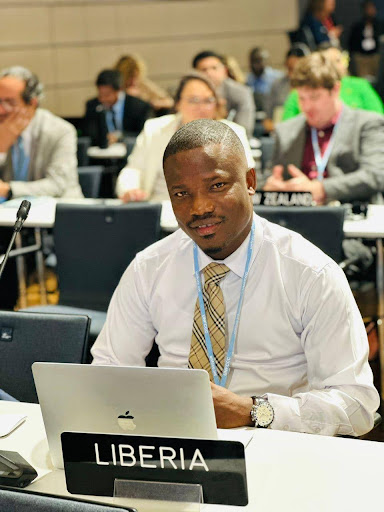
Teddy P. Taylor is a dynamic leader from the Republic of Liberia championing climate education, youth empowerment, and ecosystem resilience. As a linchpin in both national and international climate forums—particularly under the umbrella of Action for Climate Empowerment (ACE), Freshwater Ecosystems Protection and Conservation—he has strengthened Liberia’s global climate presence and driven strategic initiatives in climate education, freshwater protection, and youth engagement. He works as a Climate Change Assistant and National Focal Point for ACE at the Environmental Protection Agency of Liberia.

Powiązane artykuły




Jeśli nie zaznaczono inaczej, materiał nie może być powielany bez zgody redakcji.