
When the Earth Pushes Back
Migration and Conflict in the Global South. What happens when the land you depend on can no longer sustain you?
For millions across the Global South, this is not just a hypothetical question, but a daily reality. From the prolonged drought in the Sahel to the unending floods in Bangladesh, communities are being displaced, livelihoods destroyed and insecurity deepened.
While the world debates and conducts high-level forums disguised as opportunities to solve the problem, families in vulnerable regions face disastrous impacts everyday that lead to migration, conflict and uncertainty across the Global South.
Climate Change-Driven Displacement
In Sahel, traditional farming and subsistence practices once sustained by heavy seasonal rainfall have become nearly impossible because of irregular weather patterns that result in irregular rainfall cycles. These traditional farming systems that were passed down through generations can’t withstand prolonged seasons of droughts or sudden floods. This recurring pattern forces people to move from rural to urban areas in search of survival. These movements are always involuntary, they are an act of desperation. But urban areas, already strained, often lack infrastructure, resources and employment opportunities to sustain growing populations. This influx puts a huge pressure on sanitation and food systems, thus most informal settlers live under poor conditions, increasing vulnerability for both the urban and rural populations.
In Africa, Fatima, a farmer and a mother of four, survives on hopes and no food. Lack of enough rain makes it impossible to practice decent farming that once sustained her family. Therefore, her children often go to bed without food, and education becomes a luxury. This instability forces Fatima to migrate out of desperate need. Her movement is marked by uncertainty and loss, and reflects the growing reality in many parts of Africa, where climate instability causes women like Fatima to struggle for dignity and survival.
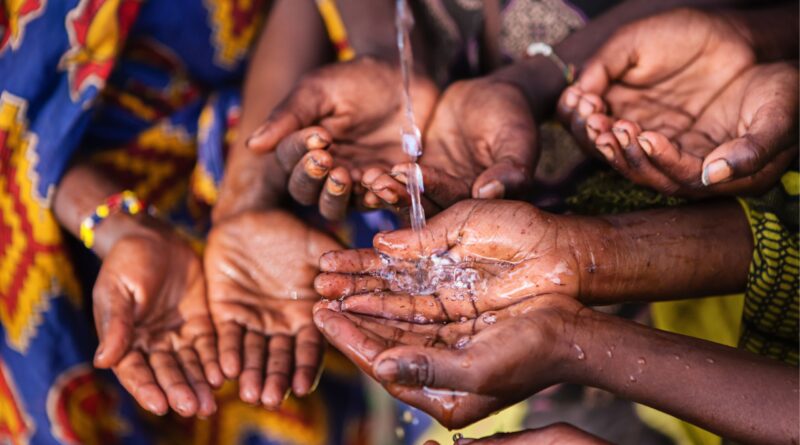
In Bangladesh, people are often displaced due to high water levels. Already barely surviving, communities are forced to move, ironically, by the same resource others long for: water. These displacements are often sudden, unplanned, and chaotic, pushing people into overcrowded urban slums where basic needs remain unmet. This imbalance reveals the cruel paradox of a warming world: too little in some places, too much in others, yet the suffering is shared.
Climate stress as a catalyst for conflict
Climate change erodes resources that are essential for survival and reasonable living. In Nigeria, farmers compete for arable land that was once used generously after prolonged droughts and erratic rainfall that have reduced fertile lands used for grazing and cultivation. This stiff competition for resources has led to tensions between crop farmers and herders, triggering a cycle of violence rooted in the daily struggle of survival. What was once a harmonious balance of co-existence has turned to a desperate fight for survival, intensified by a changing climate that neither side has caused but both are forced to endure.
In East Africa, the scarcity of resources has also led to overgrazing and deadly disputes over water and pasture lands. Some communities are displaced and forced to move because of droughts and land degradation, leading to deeper unrest. Others are left with no choice but to migrate entirely, abandoning ancestral lands in hopes of finding more hospitable conditions elsewhere. These displacements not only uproot families but also deepen social and economic instability, causing fragility across affected regions. The impacts of climate change here are urgent, tangible, and deeply personal.
The tragedy is crystal clear: countries most affected by climate change contribute the least to its causes. While Africa has only contributed 4% of the global emissions, it still faces the severest consequences. This clearly shows that the Global South is not just in need of investment in climate action but also an investment in resilient infrastructure, and participation in global climate governance, as well as educating the locals on climate change and constructing solutions that fit their grassroots levels.
Climate justice must also confront history by plundering away uneven development that has conditioned many Global South countries to remain weak both economically and in terms of capacity. We should stop addressing climate vulnerability without tackling structural inequality – that is like scratching the surface when climate change problems are deeply rooted within, like treating symptoms without healing the wound.
Conclusion
Climate change in the Global South is no longer a threat but a constant intruder of livelihoods, stability and dignity. This crisis is not only about emissions or aid anymore, it’s about hearing and honouring the voices of those pushed to the margins. Climate change is a wail that cannot be silenced. We must all learn together, act together and fight for a future that we all deserve.
 Amy Tracy Lulah is a youth development advocate and climate action enthusiast with a strong background in diplomacy, international relations, and sustainability. She serves as a Diplomat at the Commonwealth Youth Council (Africa Region) and is the Program Coordinator at Open Dialogues International Foundation. Amy is passionate about empowering young people and creating impact-driven solutions through strategic communication, grassroots engagement, and global partnerships.

Powiązane artykuły




Jeśli nie zaznaczono inaczej, materiał nie może być powielany bez zgody redakcji.